Trading Platforms
We develop trading platforms for financial instruments, cryptocurrencies, and digital assets.
A trading platform is a complex system that allows users to trade financial instruments, cryptocurrencies, or other assets. It combines user interface, trading logic, data processing, and integrations with external services.
These platforms are widely used in fintech, crypto, and investment services where speed, reliability, and security are critical.
01When a business needs a trading platform
A trading platform is required when a business operates with buying and selling assets or plans to launch its own trading service.
- Cryptocurrency exchanges
- Investment platforms
- Trading services
- Digital asset platforms
- Financial product development
02What a trading platform solves
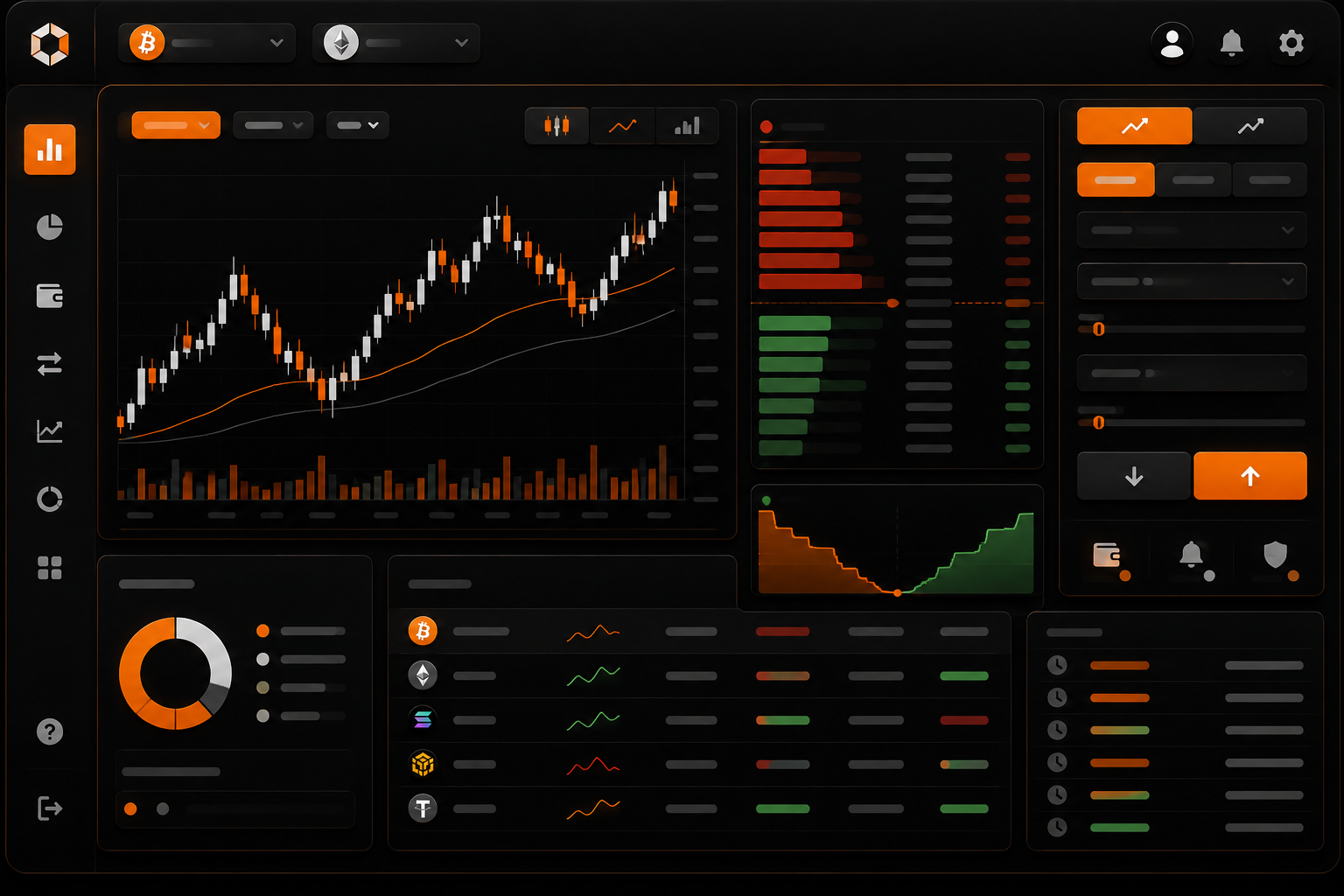
A trading platform provides a complete cycle of user interaction with assets — from analysis to trade execution.
- Order placement and execution
- Market data visualization
- Portfolio management
- Charts and analytics
- Transaction history
03Key components
A trading system includes several core modules.
- Matching engine
- Order management system
- User interface
- Analytics and charting module
- Data storage system
- API integrations
04What we can build
We build trading platforms with a focus on performance, security, and scalability.
- Trading interfaces
- Matching engines
- Exchange integrations
- Order management systems
- Charts and analytics
- User dashboards
- Mobile responsiveness
05Performance and real-time
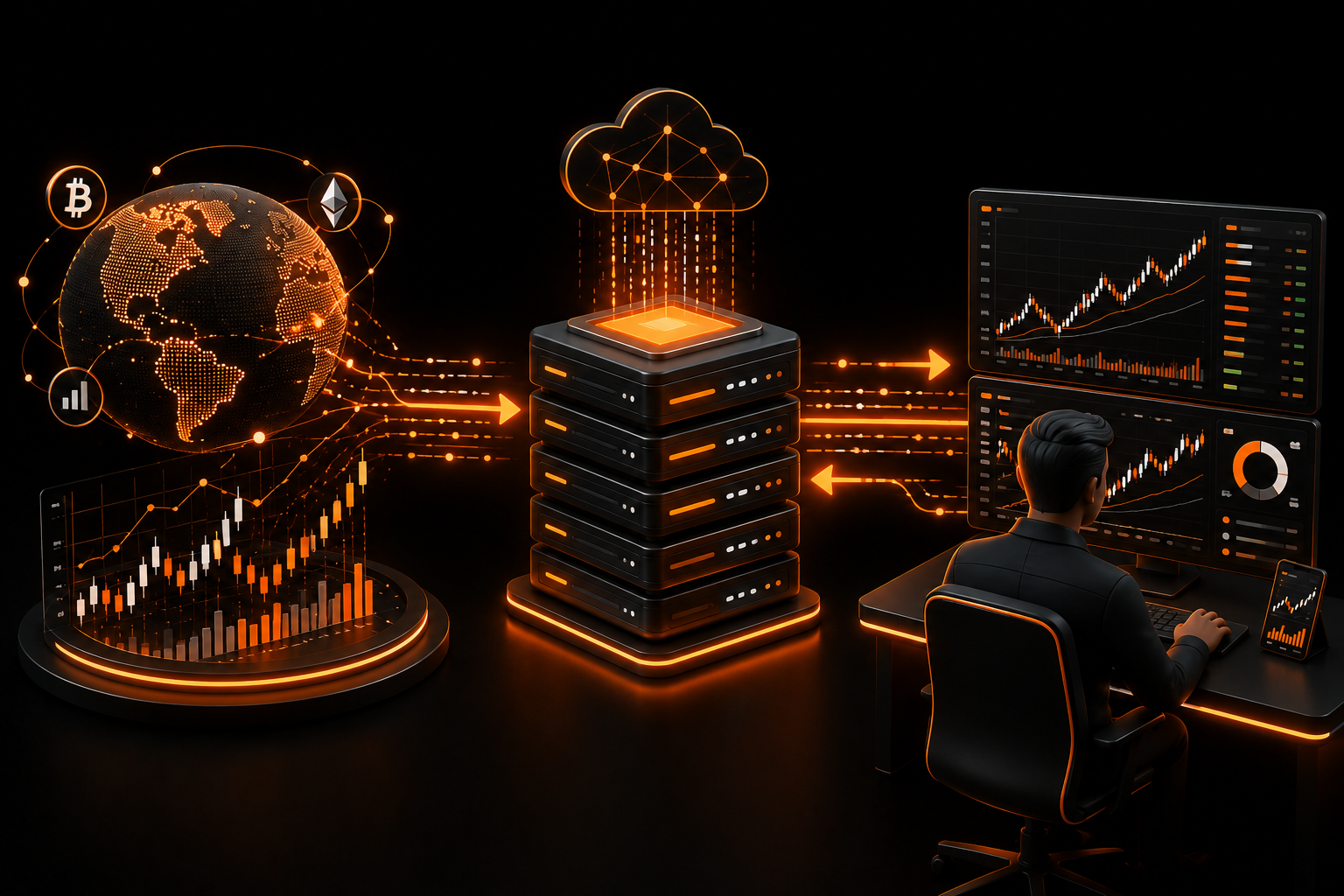
Trading platforms require real-time data processing and minimal latency.
- WebSocket data streaming
- Low-latency execution
- High throughput
- Handling large volumes of requests
- System stability under load
06Security
Security is critical for trading platforms.
- Account protection
- Data encryption
- Access control
- Fraud detection
- Attack prevention
07Development process
Trading platform development requires deep understanding of financial systems and technologies.
- Requirements analysis
- Architecture design
- Trading logic development
- API integrations
- Load testing
- Launch and monitoring
08Why it must be done right
Errors in trading systems can lead to financial losses and reputational damage.
A reliable system ensures accuracy and stability.
09Business results
A trading platform becomes the core of a financial product and a revenue driver.
- User acquisition
- Higher trading volume
- Scalability
- Reliable operations
- Competitive advantage

Consultation request
Want to discuss a solution for your business?
Describe the task, and we will help define the architecture, implementation stages, and a practical delivery plan.