
Interface Prototyping
We create interactive interface prototypes to test ideas, UX, and functionality before development.
Prototyping is the process of creating a simplified model of a product interface to visualize structure, logic, and user interactions before development begins.
Prototypes help test ideas, identify issues, and make improvements early, reducing risks and development costs.
01When businesses need prototyping
Prototyping is essential for building new products or improving existing interfaces.
- New product development
- Interface redesign
- Idea validation
- Complex systems
- Pre-development planning
02What prototyping solves
Prototypes allow teams to visualize and test products before implementation.
- User flow validation
- UX testing
- Identifying issues
- Team alignment
- Preparation for development
03Types of prototypes
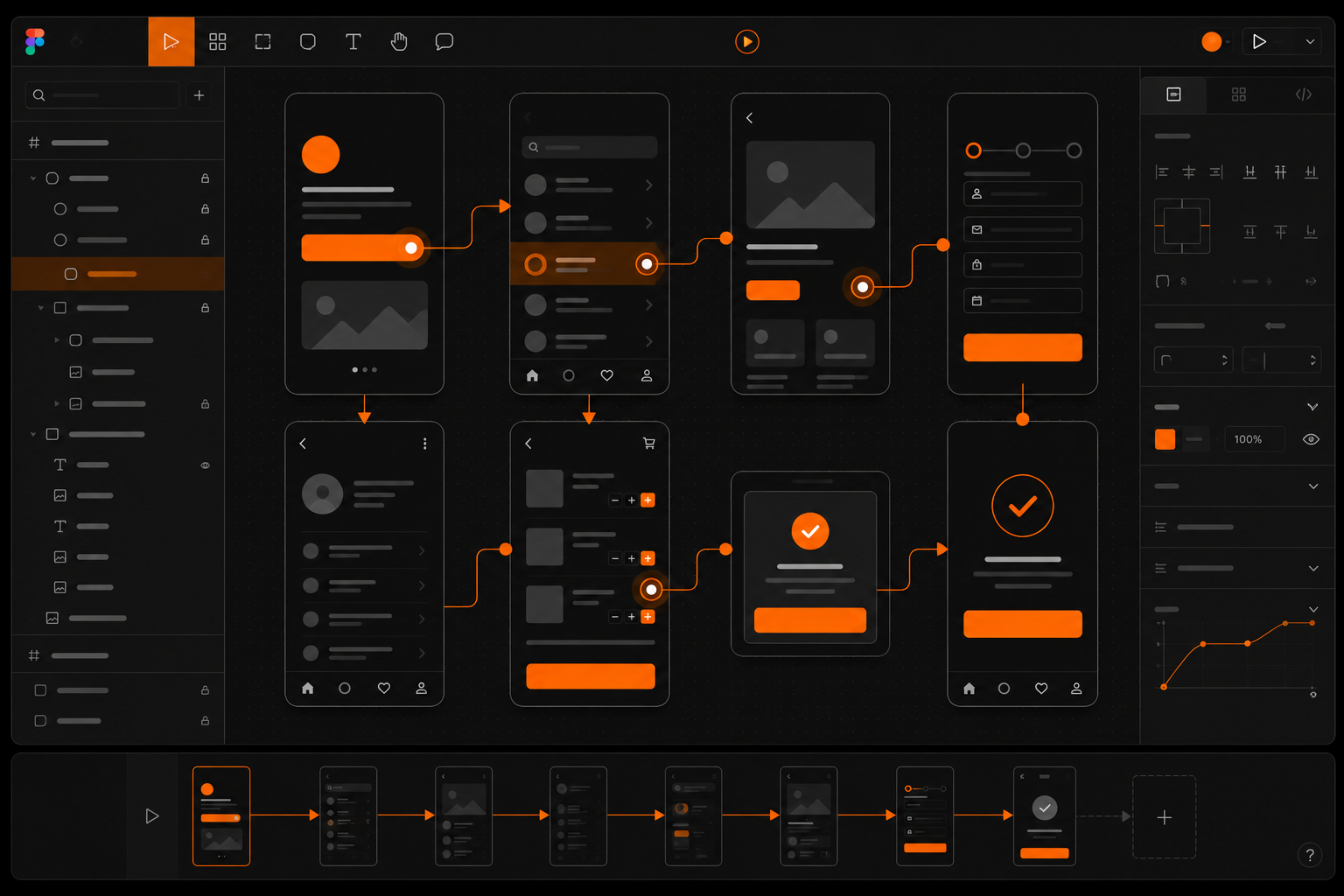
Different levels of detail exist for prototypes.
- Low-fidelity (wireframes)
- Mid-fidelity
- High-fidelity
- Interactive prototypes
- Clickable flows
04What we can build
We create prototypes to validate and improve products before development.
- Wireframes
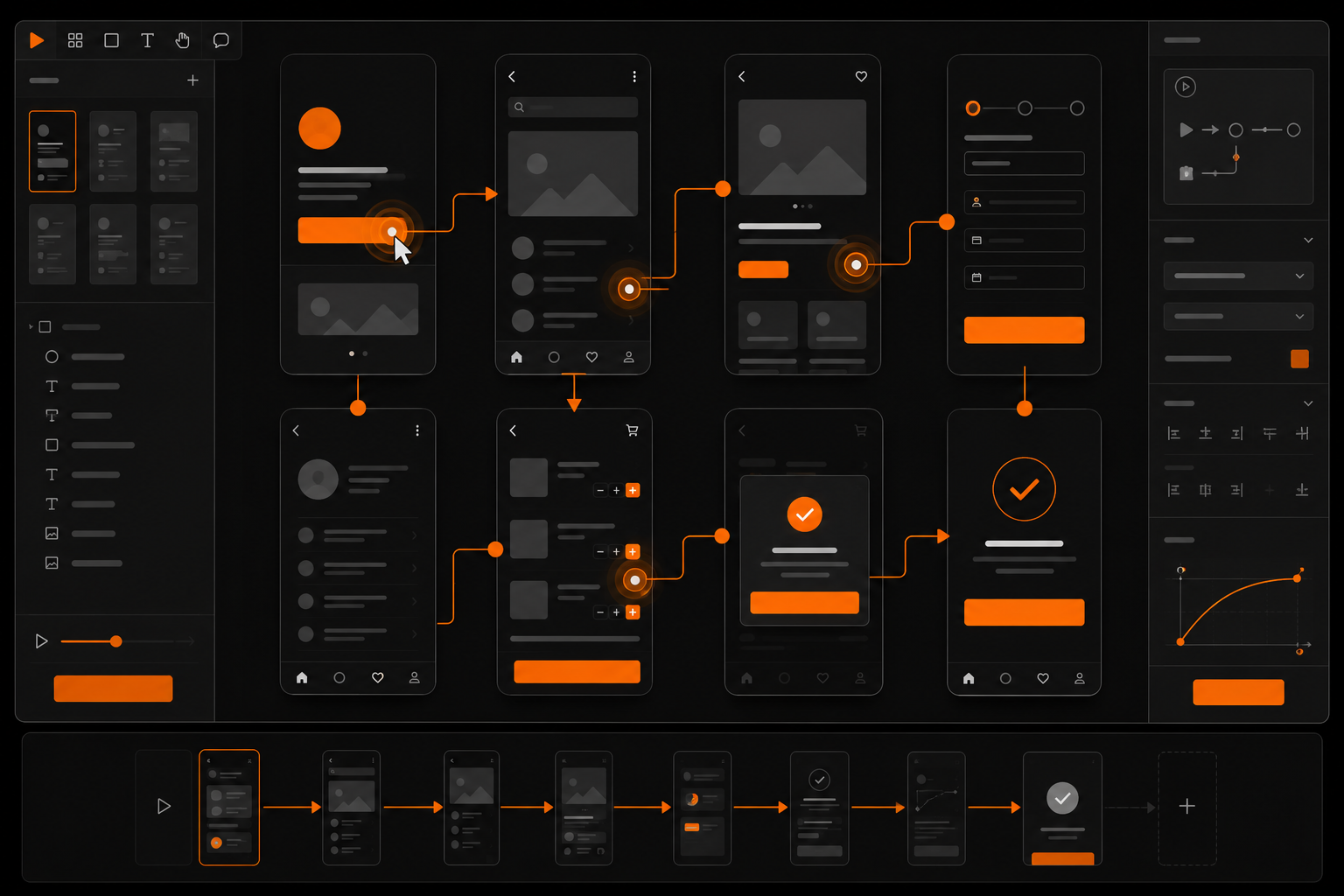
- Interactive prototypes
- User flows
- Clickable interfaces
- UX testing
- Design preparation
- Documentation
05Prototyping tools
Modern tools are used to create prototypes.
- Figma
- Adobe XD
- Sketch
- InVision
- Axure
06Benefits of prototyping
Prototyping reduces risks and improves product quality.
- Fewer errors
- Time and cost savings
- Faster idea validation
- Better UX
- Improved communication
07Process
Prototyping follows a structured process.
- Requirements analysis
- Structure creation
- Wireframing
- Adding interactivity
- Testing
- Iteration
08Why it must be done right
Skipping prototyping leads to development issues.
A strong prototype reduces risks and speeds up delivery.
09Business results
Prototyping enables faster and more efficient product launches.
- Faster time-to-market
- Cost reduction
- Higher product quality
- Better UX
- Competitive advantage

Consultation request
Want to discuss a solution for your business?
Describe the task, and we will help define the architecture, implementation stages, and a practical delivery plan.