
IoT Devices & Sensors Development
We develop IoT devices and sensors for data collection, automation, and integration with digital systems.
IoT (Internet of Things) devices and sensors are physical components that collect data from the environment and transmit it to digital systems. They are the foundation of automation and digital transformation.
Modern IoT solutions are widely used in industry, logistics, smart homes, and businesses to improve efficiency and control.
01When businesses need IoT devices
IoT devices are essential for data collection and process automation.
- Equipment monitoring
- Data collection
- Process automation
- System monitoring
- Smart systems
02What IoT devices solve
IoT devices enable real-time data collection and processing.
- Data collection
- Data transmission
- Parameter control
- Automation
- Analytics
03Types of IoT devices
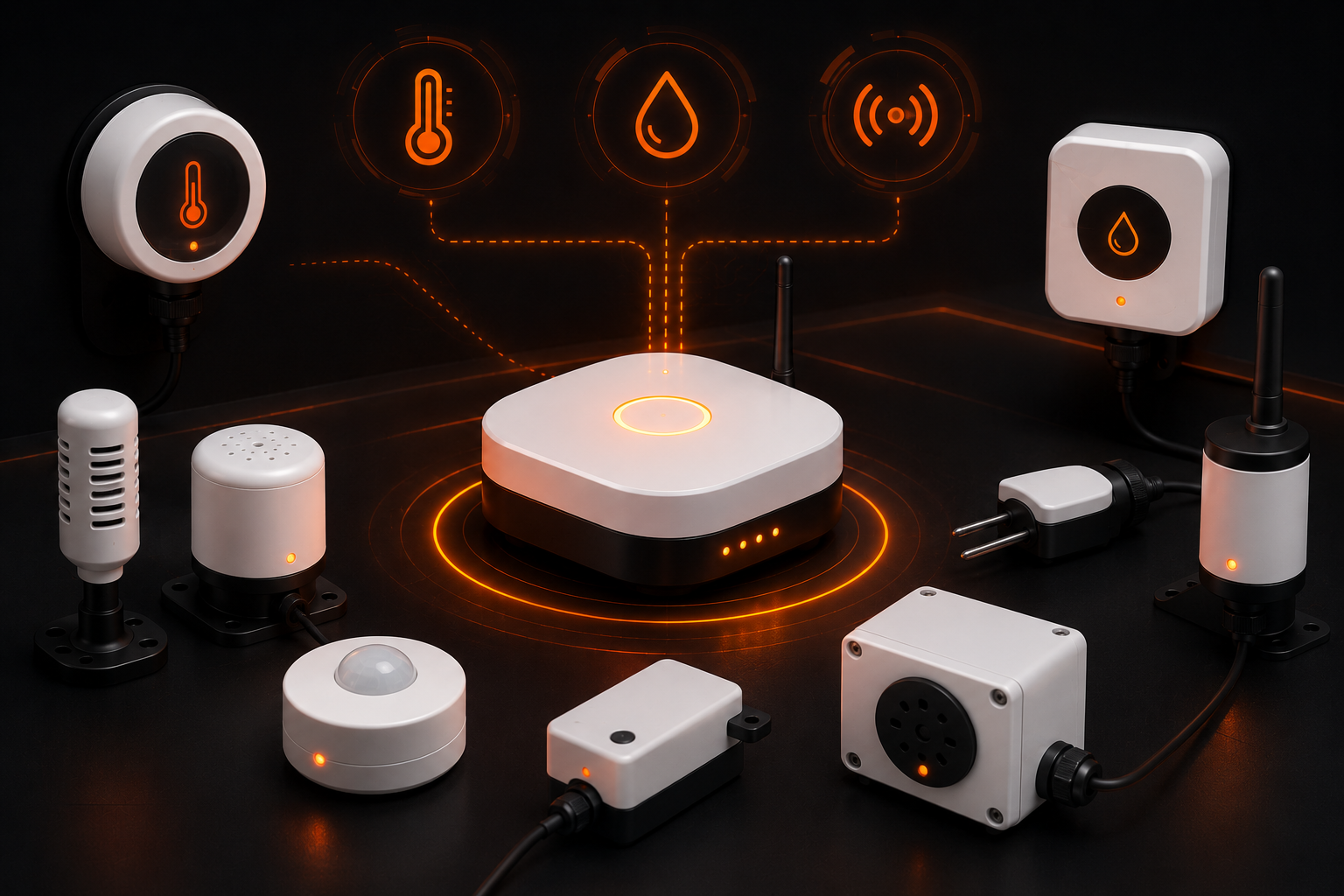
There are many types of IoT devices and sensors.
- Temperature sensors
- Humidity sensors
- Motion sensors
- GPS devices
- Industrial sensors
04What we can build
We develop IoT devices tailored to your business needs.
- Device development
- Prototyping
- Platform integration
- Data transmission
- Cloud connectivity
- System setup
- Support
05Connectivity and protocols
IoT devices use various communication protocols.
- Wi-Fi
- Bluetooth
- LoRaWAN
- NB-IoT
- MQTT
06Integration with systems
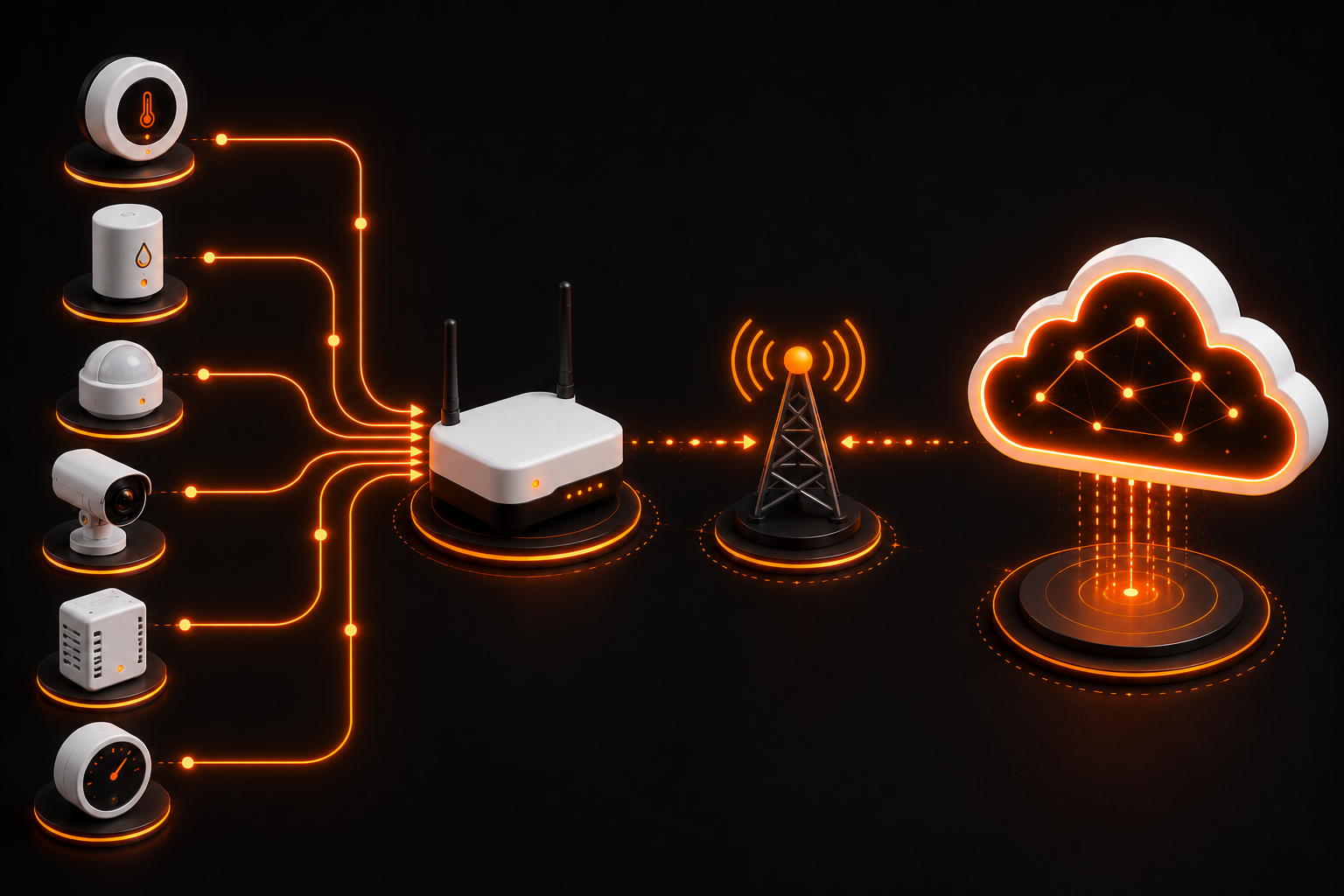
IoT devices integrate with backend and analytics systems.
- Cloud platforms
- ERP and CRM
- BI systems
- Mobile apps
- API integrations
07Development process
IoT development is a complex process.
- Requirement analysis
- Device design
- Prototyping
- Development
- Testing
- Deployment
08Why it must be done right
Errors can lead to incorrect data and system failures.
Proper implementation ensures accuracy and reliability.
09Business results
IoT devices enable data-driven decision-making.
- Process control
- Automation
- Data collection
- Optimization
- Digital transformation

Consultation request
Want to discuss a solution for your business?
Describe the task, and we will help define the architecture, implementation stages, and a practical delivery plan.