

Cloud Infrastructure: Reliability, Scalability, and Cost Control
Cloud technologies allow businesses to launch projects quickly, scale under load, and optimize costs. They have become a standard for modern applications.
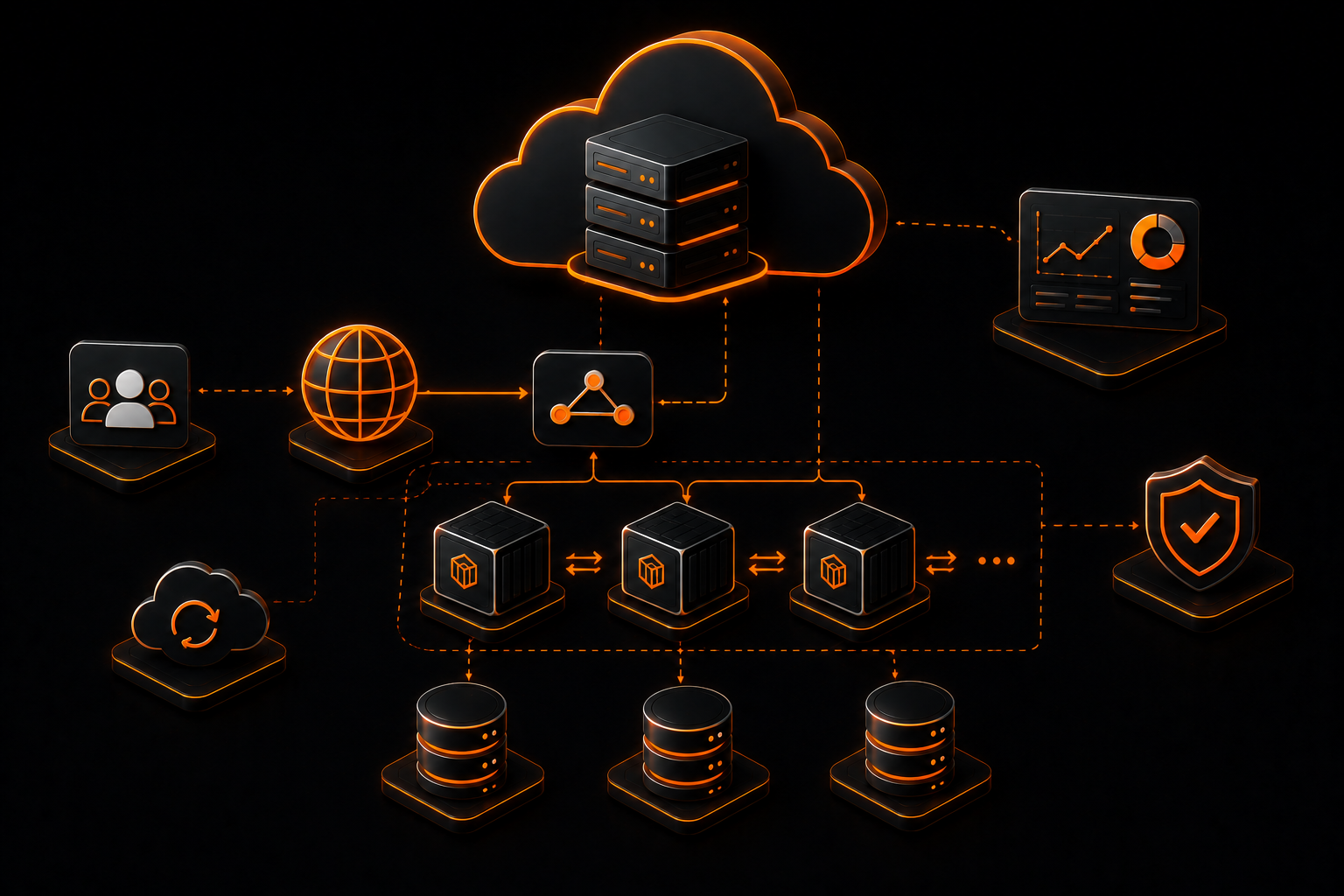
What is cloud infrastructure
Cloud infrastructure means using remote servers and services instead of local hardware.
- virtual servers
- cloud databases
- data storage
- load balancing services
Benefits
Cloud provides flexibility and reliability.
- scaling under load
- high availability
- fast deployment
- pay-as-you-go pricing
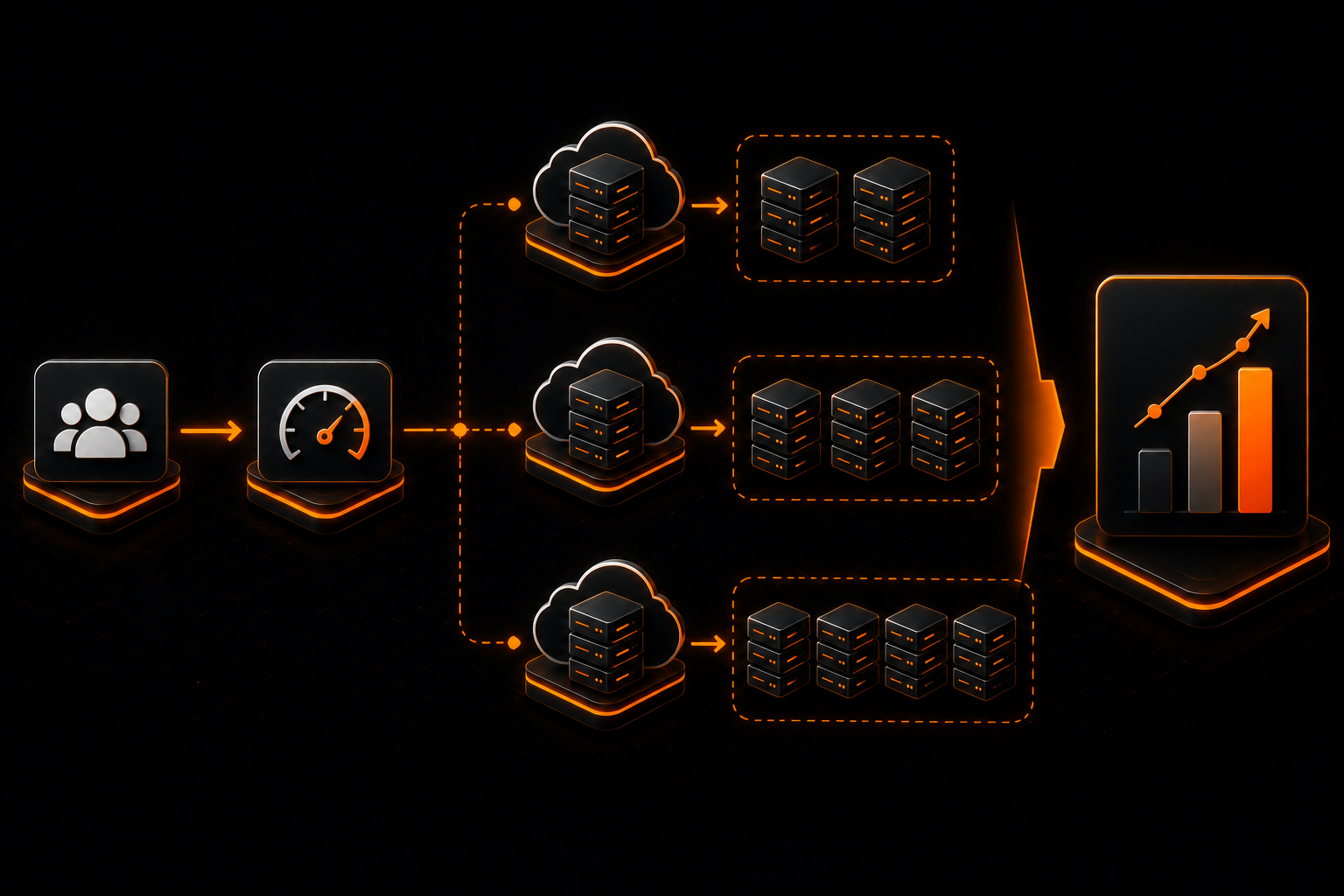
Scalability
Cloud allows automatic resource scaling based on demand.
- horizontal scaling
- vertical scaling
- load distribution
- resource redundancy
Cost control
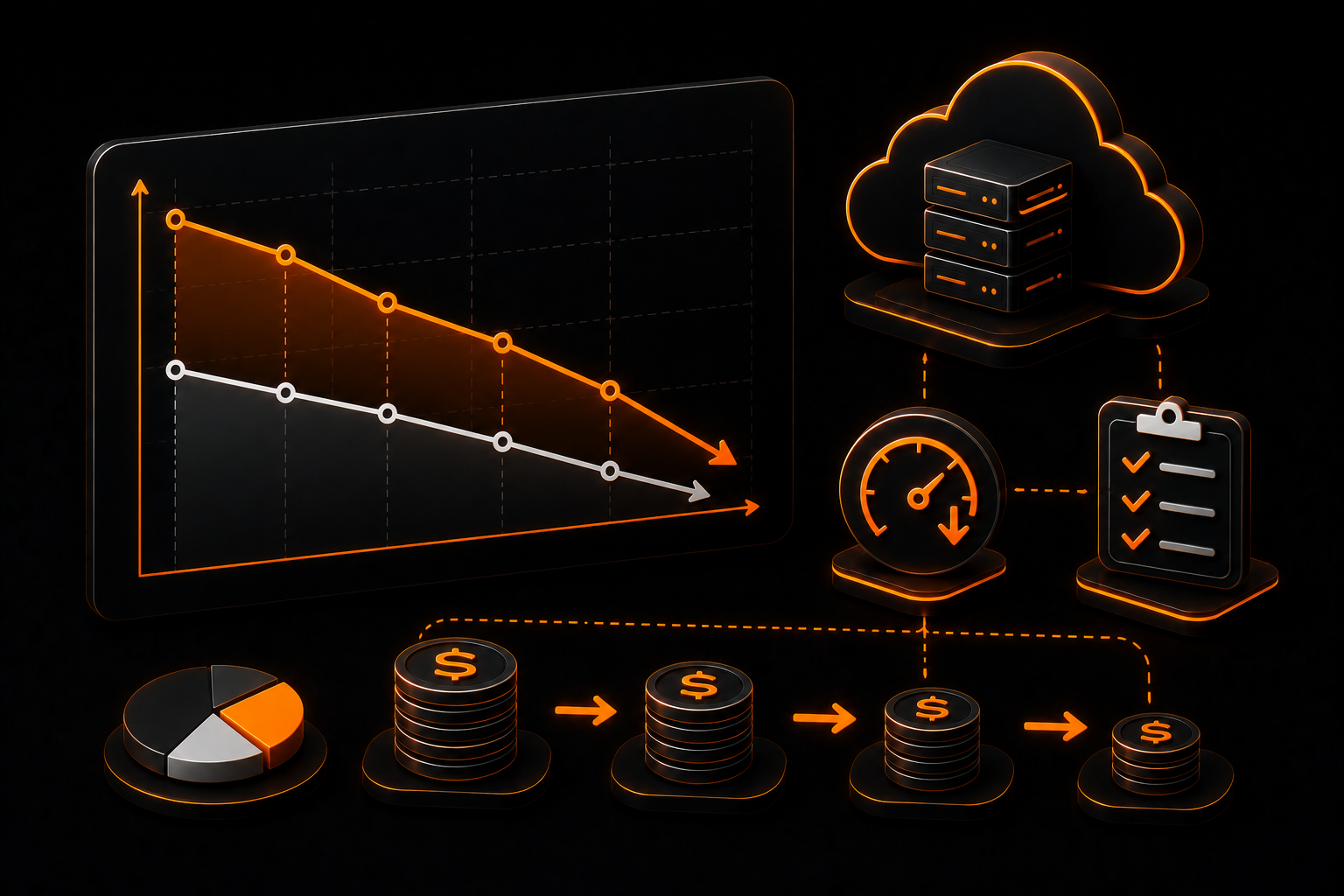
Managing cloud costs is critical for long-term success.
- resource optimization
- turning off unused services
- autoscaling usage
- cost monitoring
Infrastructure types
| Type | Description | Use case |
|---|---|---|
| IaaS | Infrastructure as a Service | Flexible systems |
| PaaS | Platform as a Service | Fast development |
| SaaS | Ready solutions | Minimal setup |
What to consider
A common mistake is moving to cloud without proper architecture.
Important
Cloud requires proper setup and ongoing monitoring.
Conclusion
Cloud infrastructure offers flexibility and scalability but requires proper management.